
A Strong Partnership with the Customer
Meal Ambitions: A Shared Recipe for a Strong Partnership
The collaboration between Compass Group and the Danish Association of the Pharmaceutical Industry (Lif) is a strong example of how a close partnership can drive meaningful change in everyday life and serve as a model for a more responsible food culture.
“Compass Group is a partner we can work with to grow and develop together,” says Louise Brünning Brøgger, Team Leader at Lif, who works closely with Jesper Olsen, Head Chef of the company’s canteen.
Louise and Jesper have developed a close working relationship, constantly exploring what more they can do, what they can improve further, and where there are opportunities to innovate.
One concrete initiative is an annual workshop with Compass Group, where new objectives are established and key focus areas are identified.
Supporting the Client’s Objectives
Lif wants to promote a healthy canteen profile, which Compass Group supports through shared objectives and a relationship built on trust. It is essential to create room for testing new initiatives.
“It’s about coordinating when the client is ready to take the next step – and making sure we’re ready too. Ultimately, it’s about supporting the client’s goals,” says Jesper.
Bringing Everyone Along on the Journey
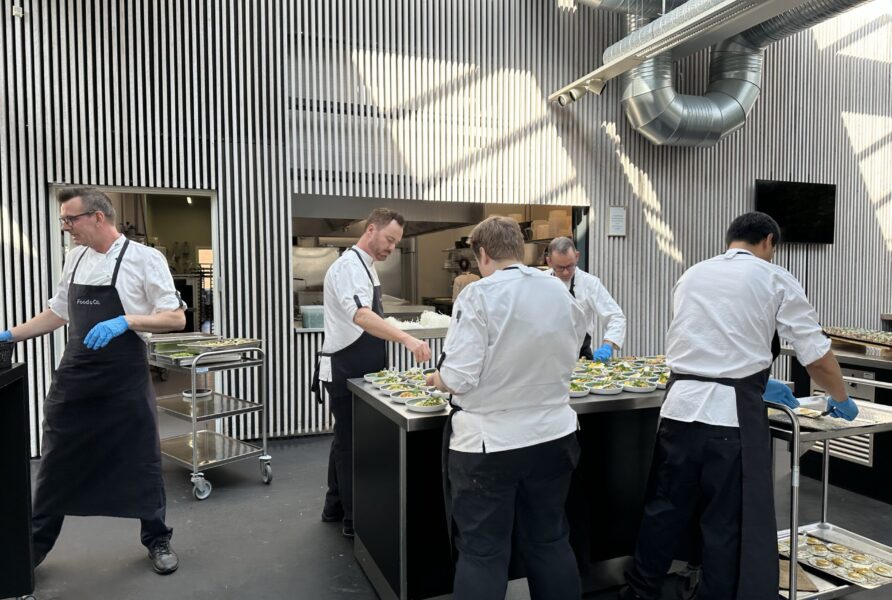
The partnership is about bringing both the client and its guests along on the journey. But the kitchen team also needs to have the right skills and expertise.
“That’s why it’s great to see that everyone in the kitchen is curious, proactive and puts a lot of care into our plant-based dishes. There is also a great sense of teamwork in our kitchen, and we share a common understanding of what we are working towards,” says Jesper.
Data at Your Fingertips
To track progress against their shared objectives, the kitchen team uses a digital Compass Group dashboard that provides daily insights into key sustainability metrics, including meat content, food waste, seasonal ingredients, animal welfare, and organic produce—both in real time and over time.
“I’m really pleased to have Compass Group as our partner. Their expertise makes my job easier and opens up new opportunities because they have such a strong understanding of sustainability, value chains and data,” says Louise from Lif.
Jesper adds that the dashboard does more than provide an overview—it also serves as a source of motivation and a practical tool for identifying new opportunities for improvement: Where can we do even better?
Rather less, but Better
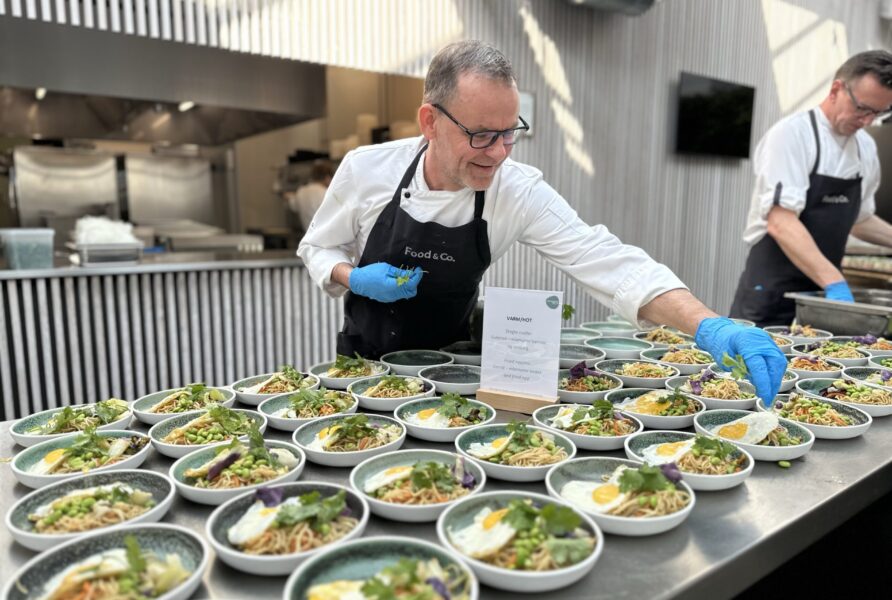
One of the kitchen’s key priorities is to increase the share of certified high-animal-welfare meat on the menu—a commitment that is consistently reflected in its purchasing decisions.
“We’d rather serve a little less meat, but make sure it’s of the highest quality,” says the Head Chef.
Although the kitchen already has a high proportion of high-animal-welfare products, the team continues to look for ways to improve. Jesper emphasises that compromising on quality is not an option:
“We never choose cheap chicken pumped with water or non-organic eggs. Whenever we have the opportunity to choose higher animal welfare, we do—regardless of the price.”
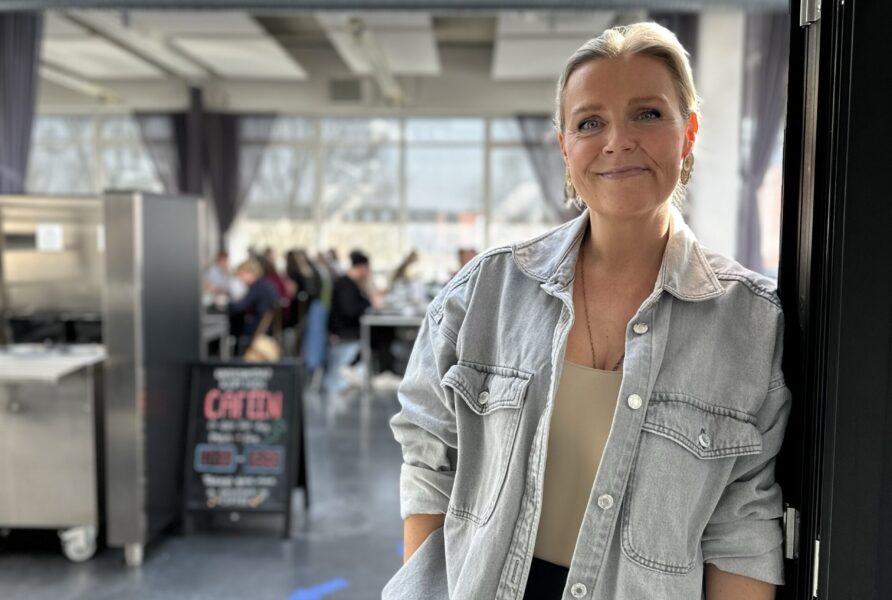
“It aligns perfectly with the ESG agenda – we reduce our environmental impact by cutting food waste and choosing high-quality ingredients (E), we promote wellbeing by serving nutritious, wholesome meals (S), and we take responsibility for the food we serve – both for our organisation and for our guests (G).”
— Louise Brünning Brøgger, Team Leader at Lif
But the journey does not end here. Taking the agenda even further requires continuous commitment and a willingness to embrace change.
“If we want to achieve real transformation, we can’t just keep serving the same food we’ve always served,” Jesper points out.
It is about challenging established habits and continuously finding new ways to do even better. With shared ambitions and a strong commitment to responsibility, wellbeing and sustainability, Lif and the kitchen are well positioned to shape the meals of the future.